What started as a niche wellness trend has become a lasting global movement. Around the world, consumers are rethinking their relationship with alcohol - not necessarily giving it up completely, but drinking more consciously, more selectively and often less frequently.
From alcohol-free sparkling wines to botanical spirits and sophisticated zero-proof cocktails, the no- and low-alcohol category is evolving into one of the beverage industry’s fastest-growing sectors. And unlike earlier generations of “soft alternatives,” today’s products are designed to deliver complexity, ritual and social experience rather than simply replace alcohol.
The Rise of Mindful Drinking
For years, moderation was mostly associated with short-term challenges like Dry January. Today, it has become part of a broader lifestyle shift shaped by wellness culture, changing social habits and younger consumers’ priorities.
Many drinkers now alternate between alcoholic and non-alcoholic beverages during a night out, reduce consumption during the week, or choose alcohol-free options for specific occasions without feeling excluded from the social experience.
This behavioural change is happening across generations, although younger consumers are driving much of the momentum. Health awareness, mental clarity, better sleep and financial considerations all play a role in the growing appeal of moderation.
At the same time, global alcohol consumption has shown signs of slowing in several mature markets, creating space for innovative alternatives to gain traction.
Alcohol-Free Wine Is Entering a New Era
Not long ago, dealcoholised wine struggled with a poor reputation. Many early products lacked balance, depth and varietal character, leading consumers to view the category as a compromise rather than a genuine wine experience.
That perception is beginning to change.
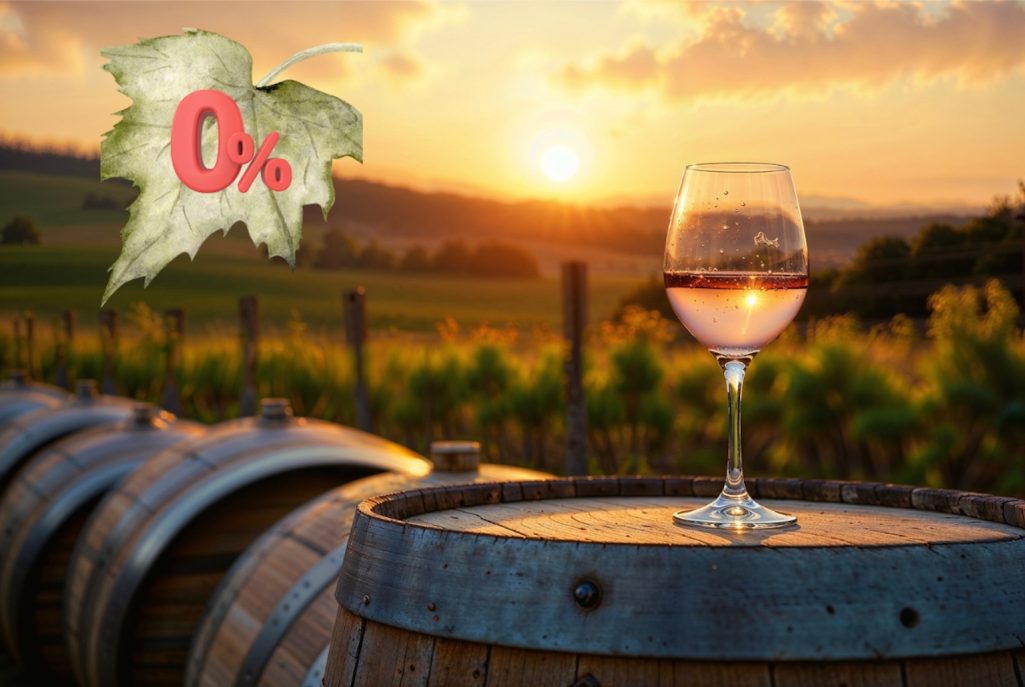
Wineries across Europe, Australia and the Americas are investing heavily in improved de-alcoholisation technology and premium-quality grapes. Rather than treating alcohol-free wine as a side project, producers are increasingly integrating it into their long-term portfolios.
Modern techniques such as spinning cone technology, vacuum distillation and membrane filtration allow winemakers to preserve aromatics and texture far more effectively than before. As a result, newer releases are showing greater freshness, structure and authenticity.
Sparkling styles continue to perform particularly well because their acidity and effervescence naturally support mouthfeel. Still wines remain more challenging, but producers are learning which grape varieties adapt best to the process. Aromatic whites and fruit-driven reds are currently leading the category’s qualitative progress.
Importantly, premium positioning is becoming central to the segment. Consumers no longer want overly sweet substitutes; they expect products that reflect craftsmanship, terroir and sophistication.
The Explosion of Botanical Spirits and Zero-Proof Cocktails
While alcohol-free wine is improving rapidly, non-alcoholic spirits have arguably become the most creative part of the market.
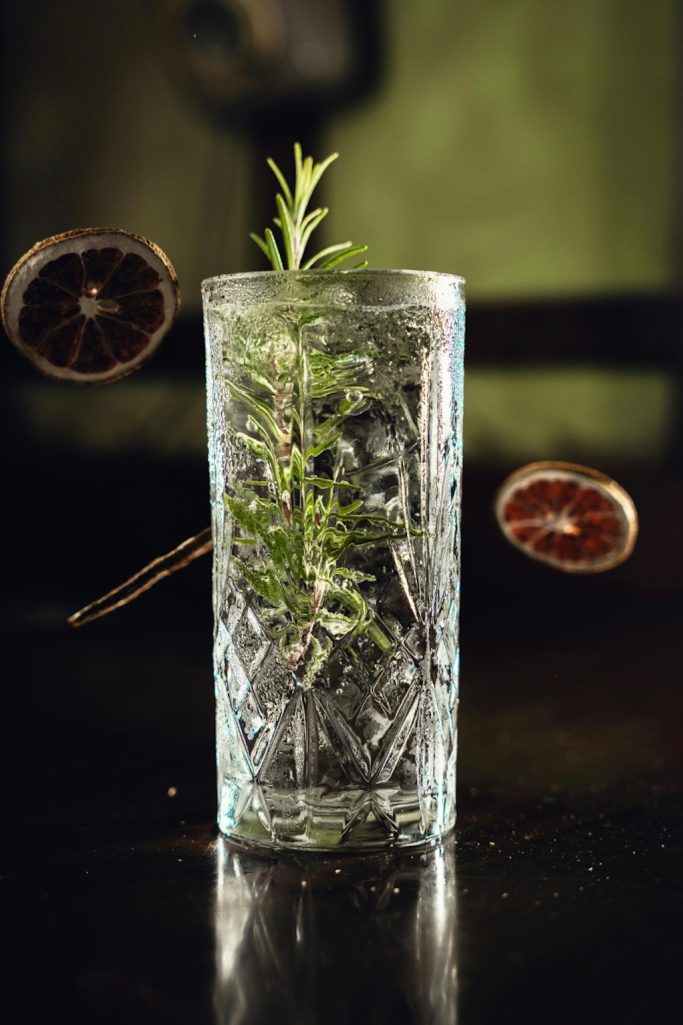
These products are not always designed to imitate traditional spirits perfectly. Instead, many brands focus on layered botanical profiles, spice, bitterness and texture to create complex cocktail experiences without alcohol.
Bars and mixologists have embraced the movement enthusiastically. Sophisticated zero-proof cocktails are now common in leading hospitality markets, where consumers increasingly expect thoughtful non-alcoholic menus rather than a token soft drink option.
Botanical distillates, teas, herbs, spices and functional ingredients are all contributing to a wave of experimentation. Some brands even attempt to recreate the warming sensation or “bite” associated with alcohol using natural extracts and spice compounds.
Large beverage groups have also validated the category through investments and acquisitions, signalling confidence that no- and low-alcohol products are not a passing trend but a long-term commercial opportunity.
Innovation Beyond Traditional Categories
One of the most fascinating developments is the emergence of entirely new beverage styles that sit somewhere between wellness drinks, functional beverages and classic aperitifs.
Adaptogens, nootropics, probiotics and botanical ingredients are increasingly appearing in alcohol-adjacent products aimed at relaxation, focus or social occasions. Consumers are becoming more open to drinks that deliver mood, ritual or sensory complexity without relying on alcohol itself.
Ready-to-drink formats are also expanding quickly, especially among younger urban consumers seeking convenience and experimentation.
In many ways, the category is no longer trying to imitate alcohol - it is beginning to define its own identity.
Hospitality Is Adapting Quickly
Restaurants, hotels and bars are paying attention. Offering strong non-alcoholic options is increasingly viewed as essential rather than optional.
Consumers who moderate their drinking still want premium experiences, pairing menus and elevated social occasions. Venues that fail to provide compelling alternatives risk alienating a growing segment of guests.
Some hospitality groups now report significant revenue contributions from non-alcoholic programs, especially in cocktail-focused environments. Luxury hotels and wellness-driven destinations are also integrating sophisticated alcohol-free offerings into their broader guest experience.
Language around the category is evolving as well. Rather than emphasising absence - “alcohol-free” or “guilt-free” - many brands now focus on flavour, craftsmanship and occasion.
What Comes Next?
The no- and low-alcohol sector still faces challenges. Replicating the depth, texture and length that alcohol naturally brings to beverages remains technically difficult, especially in wine.
Yet the pace of innovation is accelerating rapidly.
As production methods improve and consumers become more open-minded, the category is moving beyond compromise into genuine desirability. What was once a small wellness niche is becoming an established part of global drinking culture - and potentially one of the beverage industry’s most important growth engines for the next decade.
At MOVIN Agency, we see the no- and low-alcohol movement not simply as a trend, but as a reflection of how global consumers are redefining lifestyle, hospitality and premium experiences. As the category continues to evolve, brands that combine authenticity, innovation and strong storytelling will be best positioned to connect with the next generation of drinkers. From emerging beverage concepts to established wine and spirits producers adapting to changing consumer expectations, the future belongs to those who understand that moderation and premiumisation can successfully coexist.
#NoLow #AlcoholFree #MindfulDrinking #BeverageIndustry #WineIndustry #SpiritsIndustry #HospitalityTrends #DrinkInnovation #PremiumBeverages #ZeroProof #NonAlcoholicWine #FutureOfDrinks #ConsumerTrends #MOVINAgency #WineMarketing #BrandStrategy