The way wine producers communicate with consumers is changing rapidly. Traditional bottle labels, once the primary source of information, are increasingly limited in their ability to provide all the details modern consumers expect. As regulations expand and buyers seek greater transparency, digital labelling is emerging as a practical and forward-looking solution for the wine industry.
Why Traditional Labels Are No Longer Enough
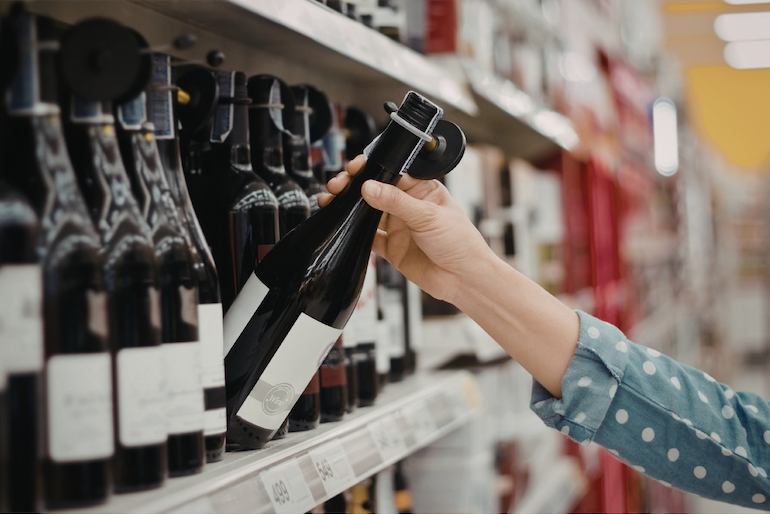
A wine label has always served multiple purposes: it identifies the product, communicates origin and style, and fulfills regulatory requirements. However, the physical space on a bottle is extremely limited. Today’s consumers want more than the basics - they are interested in ingredients, sustainability practices, nutritional information, and even background stories about the winery.
At the same time, regulatory requirements across different markets are becoming more complex. Producers often face the challenge of fitting mandatory information onto labels while still maintaining a clean and attractive design. This balancing act becomes even harder for wineries exporting to multiple countries with different rules.
Digital labelling provides a way to overcome these constraints.
The Role of QR Codes in Modern Wine Labelling
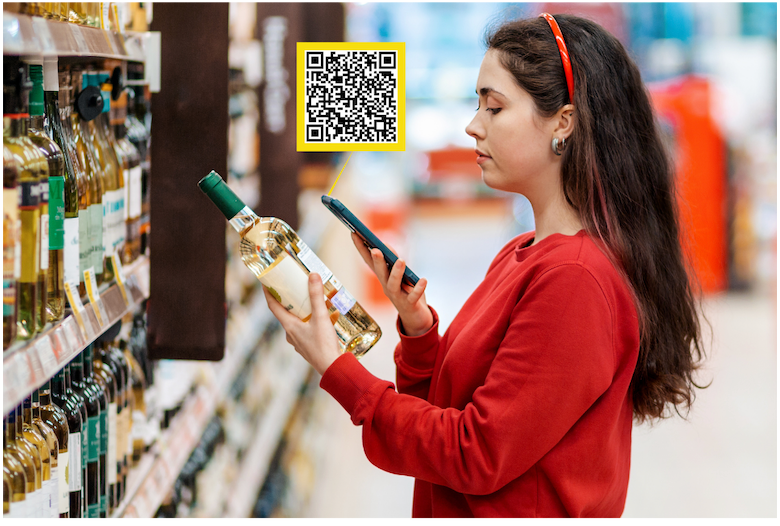
One of the most effective tools for digital wine communication is the QR code. By placing a simple code on the bottle, wineries can link consumers to a dedicated digital page containing far more information than any label could physically hold.
When scanned, the QR code can provide details such as:
- Ingredients and allergen information
- Nutritional values
- Sustainability practices and certifications
- Food pairing recommendations
- Serving suggestions
- Winery background and production philosophy
This approach not only solves the issue of limited label space but also allows information to be updated easily when needed — for example when regulations change or when new vintages are released.
A Step Toward Greater Transparency
Consumer expectations have shifted significantly in recent years. Buyers increasingly want to understand what they are drinking, where it comes from, and how it was produced. Digital labels help wineries meet these expectations by providing deeper insight into the product.
For younger, digitally connected consumers, scanning a code to access additional information is already a familiar behaviour. This creates an opportunity for wine producers to build stronger connections with their audience through storytelling, educational content, and transparent product information.
Supporting Compliance in an International Market
For wineries operating in global markets, digital labelling can also simplify regulatory compliance. Different countries may require specific information, and managing separate physical labels for each market can quickly become complex and costly.
Digital platforms allow producers to organise information more efficiently and adapt content depending on regional requirements. This flexibility can help reduce the need for multiple label versions while ensuring that consumers still receive the necessary information.
Complementing - Not Replacing - the Physical Label
Despite the advantages of digital tools, the traditional label remains essential. It continues to carry the core identity of the wine and the mandatory information required at the point of sale. Digital labelling should therefore be viewed as a complementary layer rather than a replacement.
By combining physical labels with digital access points such as QR codes, wineries can maintain strong brand presentation while significantly expanding the information available to consumers.

Looking Ahead: The Future of Wine Communication
As the wine sector adapts to evolving consumer expectations and regulatory environments, digital labelling is likely to play an increasingly important role. It offers a practical way to deliver transparency, flexibility, and richer consumer engagement without sacrificing label design or shelf appeal.
For wineries and wine brands seeking to remain competitive in international markets, embracing digital solutions is becoming less of an experiment and more of a strategic step forward.
#wineindustry #winemarketing #winelabels #digitalwine #winetech #winebusiness #movinagency