What New Research Reveals About Sustainability and Purchasing Decisions
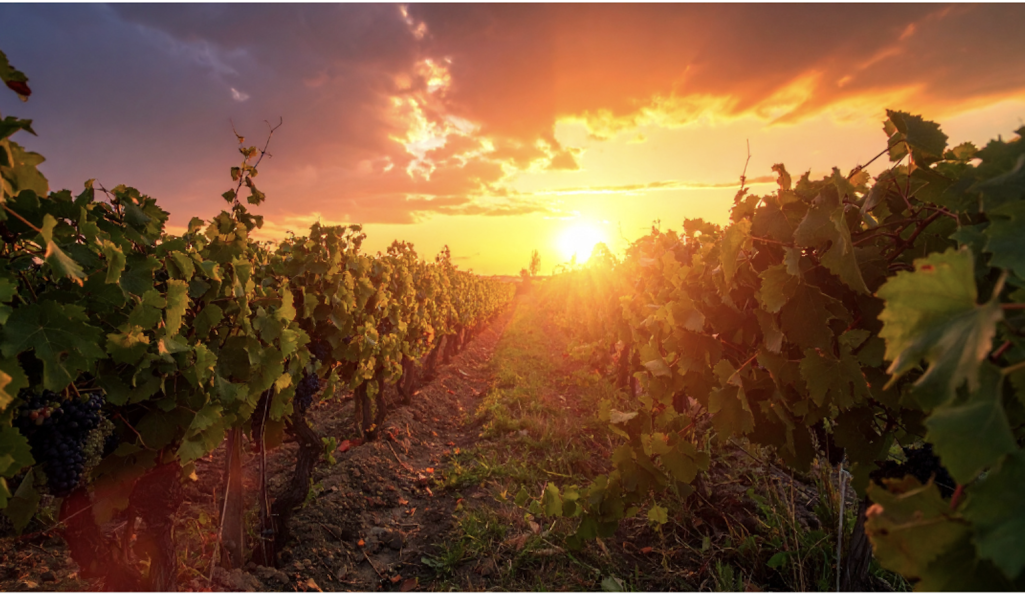
Sustainability has moved from the margins to the mainstream in the wine world. Over the past decade, wines described as organic, biodynamic, natural, or sustainably produced have gained increasing visibility on retail shelves and restaurant lists.
Yet a fundamental question remains: what actually motivates consumers to choose these wines?
Recent research conducted in the United States offers valuable insights. A comprehensive consumer study by the Wine Market Council, carried out in collaboration with Wine Opinions, explores how and why wine drinkers engage with eco-friendly wines — and what the industry may still be missing.
The findings suggest that while interest in sustainability continues to grow, consumer motivations are more diverse and complex than many wine professionals assume.
A Growing Market — With Limited Consumer Insight
Sales of wines marketed as sustainable or environmentally responsible have steadily increased in the U.S. over the past decade. However, despite this growth, detailed insights into consumer behaviour in this category have been relatively limited.
To better understand the eco-conscious wine buyer, researchers surveyed more than 1,500 U.S. wine consumers across multiple age groups. The goal was to identify the motivations behind sustainable wine purchases, measure awareness of sustainability terminology, and explore how factors such as packaging and labeling influence buying decisions.
The results reveal a consumer landscape shaped by a mix of environmental awareness, personal values, health considerations, and practical purchasing habits.
Why Consumers Choose Sustainable Wine
One of the study’s most interesting findings is that environmental concerns are not the only — or even the primary — driver of sustainable wine purchases.
Among respondents who reported buying sustainably produced wines:
- 66% said they do so to support wineries and farmers producing them
- 53% believe these wines are better for the environment
- 36% cited health considerations for themselves or their families
- 27% said the purchase reflects their personal values
- 23% want their spending choices to influence society or the economy
In other words, sustainability resonates with consumers for multiple reasons, not just ecological ones.
The research also highlights generational differences. Younger wine drinkers are more likely to connect sustainability with personal health and lifestyle, while older consumers tend to prioritize environmental protection.
At the same time, the desire to support producers and agricultural communities appears to be a shared motivation across generations.
The Sustainability Vocabulary Problem
Although interest in eco-friendly wines is growing, the study identifies a significant barrier: many consumers are confused by the terminology used in sustainability messaging.
Certain terms are widely recognized. Concepts such as organic grapes or organic wine are familiar to a large share of wine buyers.
However, awareness drops sharply for more specialized concepts. For example, only a relatively small proportion of consumers reported being familiar with regenerative viticulture. Knowledge of biodynamic wine or natural wine is also limited among the broader wine-drinking population.
For wineries and wine marketers, this highlights an important communication challenge. Consumers may be interested in environmentally responsible products, but complex or technical language can prevent them from fully understanding what those terms mean.
Clear, accessible explanations — rather than jargon — are therefore essential.

Transparency Is Becoming a Purchasing Factor
Another key insight from the research is the growing importance of product transparency.
When asked what types of information would influence their purchasing decisions, consumers consistently highlighted three priorities:
- products made without artificial ingredients
- wines made from natural ingredients
- recyclable or environmentally responsible packaging
These expectations mirror broader trends across the food and beverage sector, where consumers increasingly want to understand what is in the product and how it was produced.
Younger wine drinkers, in particular, are showing strong interest in nutritional transparency. Many respondents expressed curiosity about information such as sugar levels, calorie content, and carbohydrate values.
While wine labels have traditionally focused on origin and grape variety, consumer expectations may gradually push the industry toward providing more detailed product information.
A Generational Divide in Sustainable Wine Consumption
The research also points to a noticeable generational shift in purchasing behaviour.
Consumers aged 21 to 39 are significantly more likely to buy natural wines compared with older generations. In the survey, roughly one-third of younger respondents reported purchasing natural wines, while the proportion among older wine drinkers was considerably lower.
However, interest does not always translate into widespread adoption. Limited availability and lower awareness still constrain the growth of certain sustainable wine categories, particularly biodynamic and regenerative wines.This suggests that education, visibility, and retail presence will play a critical role in the future expansion of these segments.

Packaging: An Overlooked Sustainability Opportunity
Sustainability discussions in wine often focus on vineyard practices and certifications. Yet the study highlights another factor that many consumers increasingly associate with environmental impact: packaging.
Nearly half of respondents identified packaging as an important contributor to a product’s environmental footprint. At the same time, a large share admitted they were uncertain about how significant the impact actually is.
This knowledge gap presents a valuable opportunity for the industry.
When consumers were briefly informed about the environmental benefits of lighter packaging — such as reduced transport emissions and lower energy use — their interest in alternative formats increased significantly.
Many respondents indicated they would consider purchasing wines in:
- lightweight glass bottles
- boxed wine formats
- cans
What is particularly noteworthy is that this shift in attitude was not limited to consumers who were already highly engaged with sustainability. Even participants who initially expressed uncertainty — or skepticism — became more open to these formats once the environmental advantages were explained.
The implication is clear: education and storytelling around packaging can influence consumer behaviour.
Strategic Lessons for Wineries and Wine Brands
For producers, importers, and wine marketers, the research offers several practical takeaways.
First, clarity matters. Consumers cannot choose sustainable wines if they cannot easily recognize them. Transparent labeling and straightforward messaging help translate sustainability into tangible value.
Second, different consumers care about different things. Some prioritize environmental protection, others are motivated by health or product transparency, and many are driven by the desire to support responsible producers.
Finally, brands looking to grow in competitive markets — particularly in the United States — should pay close attention to evolving consumer expectations.
As sustainability becomes an increasingly important topic in the global wine conversation, understanding these motivations will be key to building meaningful connections with the next generation of wine drinkers.
Research from the Wine Market Council suggests that eco-conscious purchasing behaviour will continue to grow in the coming years. For the wine industry, this represents not only a responsibility — but also a significant opportunity.
#sustainablewine #ecoconsciousconsumer #winetrends #winemarketing #wineindustry #winesustainability #organicwine #naturalwine #winebusiness #winepackaging #wineinnovation #greenwine #responsibleconsumption #winemarketresearch #futureofwine 🍷