The global wine industry is navigating a rapidly changing landscape. Consumers are more informed than ever, digital channels shape purchasing decisions, and expectations around sustainability, transparency, and social responsibility continue to rise. In this environment, responsible communication is no longer a compliance exercise - it is becoming a defining element of brand credibility.
For wineries, importers, and wine regions, this shift presents both a challenge and an opportunity. The most successful businesses are recognizing that promoting wine culture and encouraging responsible consumption can go hand in hand.

Beyond Compliance: Building Long-Term Trust
Over the past decade, the beverage sector has invested heavily in initiatives that encourage informed and moderate consumption. While regulations vary across markets, one common trend is emerging: consumers increasingly expect brands to act responsibly, not because they are required to, but because it reflects their values.
Trust has become one of the most valuable assets in the wine industry. Whether consumers are discovering a new winery online, visiting a cellar door, or selecting a bottle in a retail environment, they are more likely to engage with brands that communicate transparently and demonstrate a genuine commitment to consumer wellbeing.
The Digital Era Requires New Standards
The rise of e-commerce and social media has transformed the way wine is marketed and sold. Digital platforms offer wineries unprecedented opportunities to connect directly with consumers, but they also require greater responsibility.
Age-gating systems, transparent marketing practices, and clear messaging have become essential tools for ensuring that wine communication reaches the appropriate audience. As online sales continue to grow, responsible digital engagement is increasingly viewed as a core business practice rather than an optional addition.
Forward-thinking wine businesses are investing in policies and technologies that help maintain high standards across websites, social media channels, and online retail platforms. In doing so, they strengthen consumer confidence while protecting the long-term reputation of the category.
Wine Tourism: Creating Meaningful Experiences
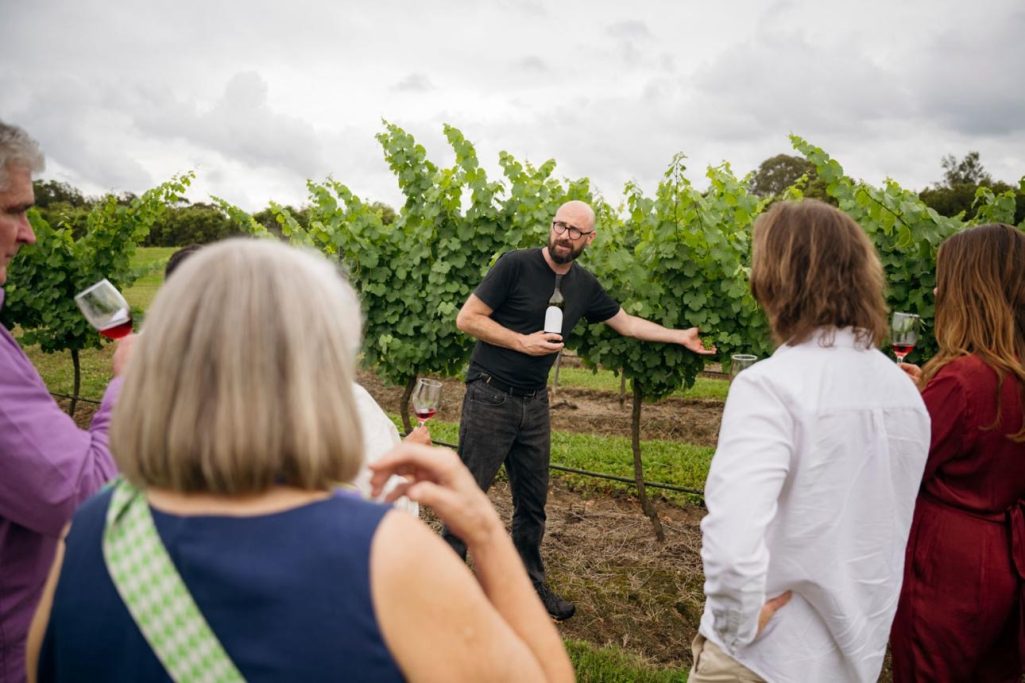
Wine tourism has become one of the strongest drivers of growth for many wine regions worldwide. Visitors are no longer seeking only tastings; they are looking for authentic experiences that connect wine with local culture, gastronomy, and lifestyle.
Responsible hospitality plays a crucial role in this evolution. Successful wine tourism destinations increasingly focus on creating experiences that encourage enjoyment, education, and balance. From offering food pairings and transportation solutions to providing educational content about wine appreciation, wineries are finding new ways to enhance visitor experiences while promoting a culture of moderation.
This approach not only benefits consumers but also strengthens the reputation of wine regions as sustainable and welcoming destinations.

Education as a Cornerstone
One of the most effective ways to promote responsible wine culture is through education. Consumers who understand wine are more likely to appreciate quality, origin, craftsmanship, and context rather than focusing solely on consumption.
The same principle applies across the value chain. Retailers, hospitality professionals, tourism operators, and brand ambassadors all play a role in shaping consumer experiences. Investing in training and professional development helps ensure that wine is presented with accuracy, responsibility, and respect for the consumer.
As wine markets become increasingly competitive, knowledge and credibility are becoming key differentiators.
A Shared Responsibility Across the Industry
Perhaps the most important development is the growing recognition that responsibility cannot rest with a single stakeholder. Producers, distributors, retailers, hospitality professionals, trade organizations, and marketing agencies all contribute to how wine is perceived and enjoyed.
The strongest brands are those that embed responsible practices into every stage of their business - from communication and sales to tourism and consumer engagement. Rather than treating responsibility as a separate initiative, they integrate it into their overall brand identity.
Looking Ahead
The future of wine will continue to be shaped by evolving consumer expectations, technological innovation, and changing social attitudes. In this environment, responsibility is emerging as a competitive advantage rather than a limitation.
For wineries and wine regions seeking long-term growth, the path forward is clear: combine authenticity with transparency, celebrate wine culture while encouraging moderation, and place consumer trust at the center of every interaction.
The wine industry has always been built on heritage, craftsmanship, and human connection. By embracing responsible communication and consumption, it can ensure that these values remain relevant for future generations.
#WineIndustry #ResponsibleDrinking #WineTourism #WineMarketing #WineEducation #ConsumerTrust #WineBusiness #WineCommunication #SustainableWine #MOVINAgency