As summer 2026 unfolds, wine consumers across Europe and beyond are embracing two major movements at the same time: the discovery of authentic Central & Eastern European (CEE) wines and the rapid rise of sophisticated non-alcoholic wine alternatives.
What connects these trends is a shared desire for freshness, lighter styles, authenticity, and more conscious consumption. Buyers, sommeliers, importers, and consumers are all looking for wines that feel modern yet rooted in origin - and this is exactly where the CEE region and the new generation of alcohol-free wines meet the moment.

Fresh, Crisp, and Food-Friendly: The New Summer Wine Profile
Summer wine preferences continue shifting away from heavily oaked, high-alcohol styles toward fresher, more vibrant wines with lower alcohol, higher acidity, and strong drinkability.
Consumers increasingly seek wines that are:
- refreshing and easy to enjoy in warm weather,
- versatile with food,
- sustainably produced,
- and connected to a clear sense of place.
This has created an ideal environment for many Central & Eastern European producers, whose wines naturally fit these expectations.
Why CEE Wines Are Gaining Attention
For years, Central & Eastern Europe remained one of the wine world’s best-kept secrets. Today, however, buyers are actively searching for new regions and indigenous grape varieties that can offer quality, uniqueness, and value.
Countries such as Hungary, Slovenia, Croatia, Romania, Bulgaria, and Georgia are increasingly appearing on export portfolios, wine lists, and retail shelves across international markets.
Several factors are driving this momentum:
Indigenous Varieties with Character
Consumers are becoming more adventurous and open to discovering lesser-known grapes. Varieties such as Furmint, Kadarka, Kékfrankos, Graševina, Fetească Neagră, and Saperavi offer distinctive flavour profiles while remaining approachable and food-friendly.
Particularly during summer, aromatic whites, mineral-driven styles, and elegant chilled reds from the region perform especially well.
Excellent Value in a Competitive Market
In a challenging global economy, importers and retailers continue looking for wines that overdeliver in quality while remaining commercially accessible. CEE wines often offer exceptional price-quality ratios compared to more saturated Western European categories.
This makes the region increasingly attractive not only for independent wine merchants but also for hospitality groups and monopolies seeking fresh portfolio additions.
Sustainability and Authenticity
Many wineries across the region operate on a smaller scale with strong family ownership structures and a close connection to local traditions. Organic farming, minimal intervention winemaking, and sustainable vineyard practices are no longer niche concepts but increasingly expected standards.
Consumers are responding positively to these authentic stories and regional identities.
The Rise of Non-Alcoholic Wines
Alongside the growth of CEE wines, non-alcoholic and low-alcohol wines continue their remarkable expansion in 2026.
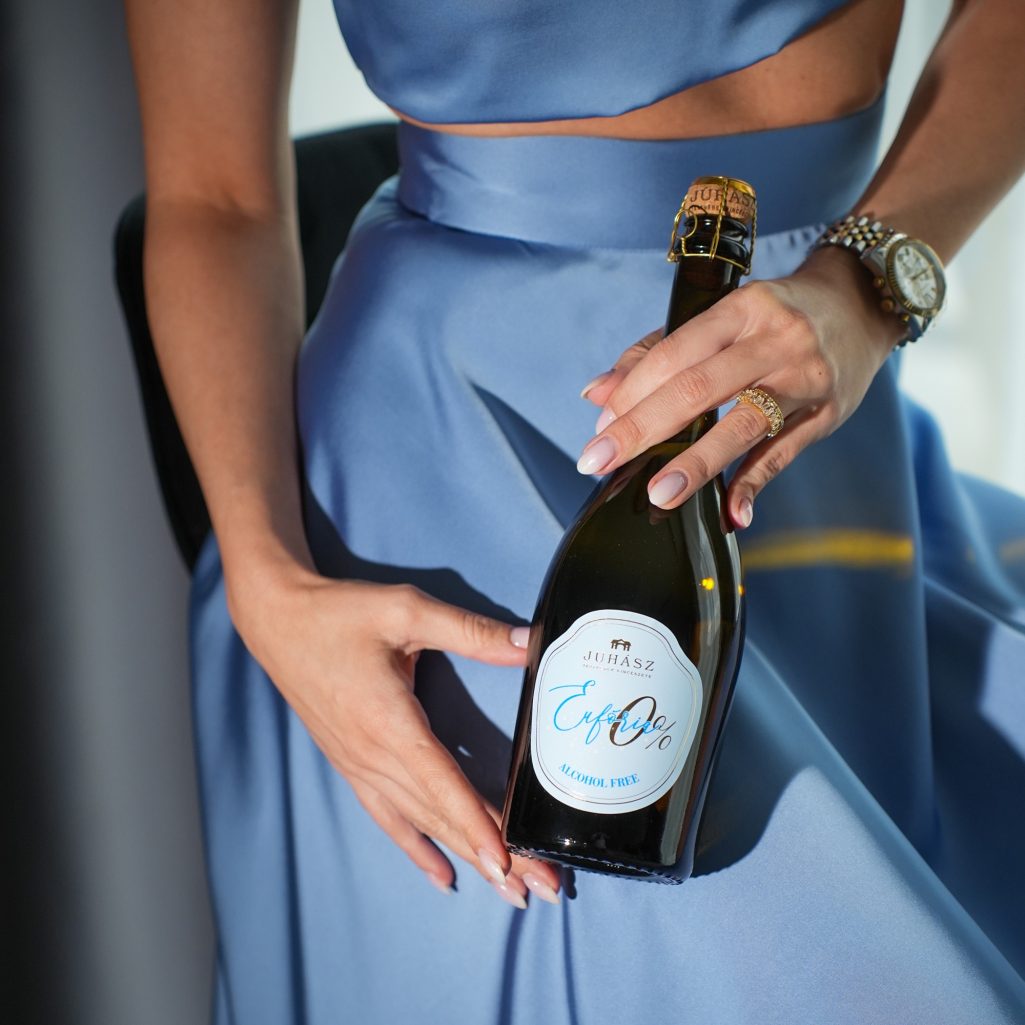
What was once considered a niche category has now entered the mainstream. Restaurants, airlines, hotels, wellness destinations, and retailers increasingly expect alcohol-free options that can deliver a genuine wine experience rather than simply imitate it.
Several trends are accelerating this category:
- health-conscious lifestyles,
- mindful drinking habits,
- younger consumers drinking less alcohol,
- and increased demand for inclusive social occasions.
Importantly, quality has improved dramatically in recent years. Advances in dealcoholisation technology now allow producers to preserve aromatics, texture, and balance much more effectively than before.
Sparkling non-alcoholic wines remain particularly strong during summer, but fresh still whites, rosés, and botanical wine alternatives are also gaining traction.
Where the Two Trends Meet
Interestingly, the future opportunity may lie where these two movements intersect.
CEE producers are increasingly well positioned to innovate within the low- and no-alcohol segment thanks to their naturally high-acidity grape varieties and fresh wine styles. Aromatic whites and lighter reds from the region can adapt particularly well to reduced-alcohol production while maintaining balance and character.
At the same time, international buyers are searching for differentiation within the non-alcoholic category itself. A dealcoholised Furmint or sparkling alcohol-free Graševina can offer something genuinely new compared to already crowded mainstream alternatives.

Looking Ahead
Summer 2026 confirms that wine consumers are no longer choosing simply between “traditional” and “modern.” Instead, they are looking for wines that combine quality, freshness, authenticity, and flexibility.
Central & Eastern European wines are increasingly answering this demand with their unique grape varieties, dynamic producers, and excellent value. Meanwhile, non-alcoholic wines are evolving from an alternative category into an essential part of the global beverage landscape.
For importers, distributors, and hospitality professionals, the message is clear: the future summer wine portfolio is likely to be lighter, fresher, more exploratory — and far more diverse than ever before.
At MOVIN Agency, we continue to see growing international interest in both CEE wines and innovative non-alcoholic offerings, and we believe these categories will remain among the most exciting opportunities of the coming years.
#SummerWineTrends #WineTrends2026 #CEEWines #CentralEuropeanWines #EasternEuropeanWines #NonAlcoholicWine #LowAlcoholWine #MindfulDrinking #WineIndustry #WineBusiness #WineImport #WineExport #WineMarketing #WineInnovation #SustainableWine #OrganicWine #WineLovers #SummerWines #Furmint #Kekfrankos #MOVINAgency