Open Filters
New products
Can't find what you Are looking for?
Tell us and we will contact you. We are B2B agents so we will make sure to find you the best match!
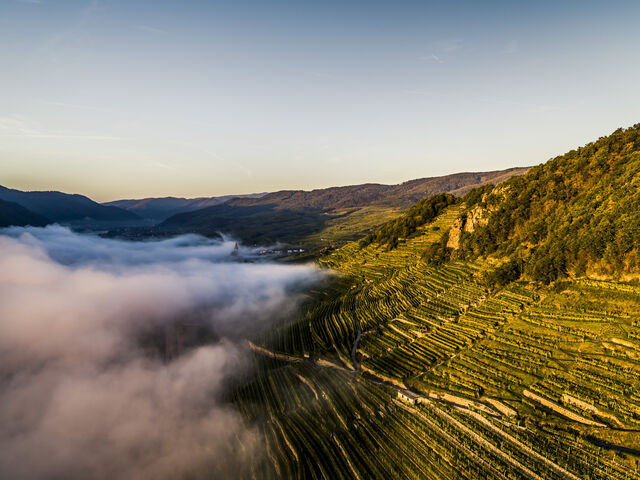
Niederösterreich (Lower Austria) is the largest Qualitätswein wine region in Austria and is known for its wide variety of wine styles and grape origins, including both local and international varieties. It consists of eight subregions, stretching from Wachau in the west to Carnuntum in the east, and can be divided into three main climate zones: the Weinviertel in the north, the Danube region in the west, and the Pannonian-influenced southeast. The dominant grape is Grüner Veltliner (about 49%), followed by Zweigelt, Riesling, and several other white and red varieties. The region produces mostly white wines, but also notable reds and some sweet wines. Weinviertel is especially known for its peppery Grüner Veltliner (labeled as Weinviertel DAC). Along the Danube and its valleys, Riesling and Grüner Veltliner are the key varieties, with several DAC regions such as Wachau, Kamptal, and Kremstal. Wagram is known for Roter Veltliner, while Kamptal wines gain character from unique soils. In the southeast, influenced by the Pannonian climate, high-quality red wines are produced, especially from Zweigelt and Blaufränkisch in Carnuntum. The Thermenregion also produces both red and white DAC wines. Geologically, Niederösterreich is very diverse, with loess soils covering more than half of the vineyards, along with gravel, clay, limestone, and crystalline rocks. These soil types play a major role in shaping the character and quality of the wines. Overall, the region is large, geologically complex, and produces a highly diverse range of high-quality wines.