Discover the people, places and philosophies behind the wines in our Meet the Winemaker series. This time, we travel to Eger, Hungary, to meet Péter Stumpf of Stumpf Winery.
A family-run estate shaped by generations of winemaking heritage, a passion for viticulture and the remarkable terroir of Nagy-Eged Hill.
Nestled in the historic wine region of Eger in northern Hungary, Stumpf Winery is a family estate with a clear sense of place and a commitment to expressing the character of its vineyards. From Kékfrankos and Kadarka to internationally recognised varieties, Stumpf Winery’s wines express the distinctive character of the Nagy-Eged Hill vineyard and the family’s thoughtful approach to winemaking.
At the heart of the estate lies Nagy-Eged Hill, one of Hungary’s most remarkable vineyard sites, renowned for its limestone-rich soils, steep slopes and distinctive wines. We spoke with winemaker Péter Stumpf about his family’s journey, the importance of terroir, the story behind Egri Bikavér and the winery’s vision for the future.

The Story Behind Stumpf Winery
MOVIN Agency: Let’s start at the beginning. Could you tell us the story behind Stumpf Winery and how your family became involved in winemaking?
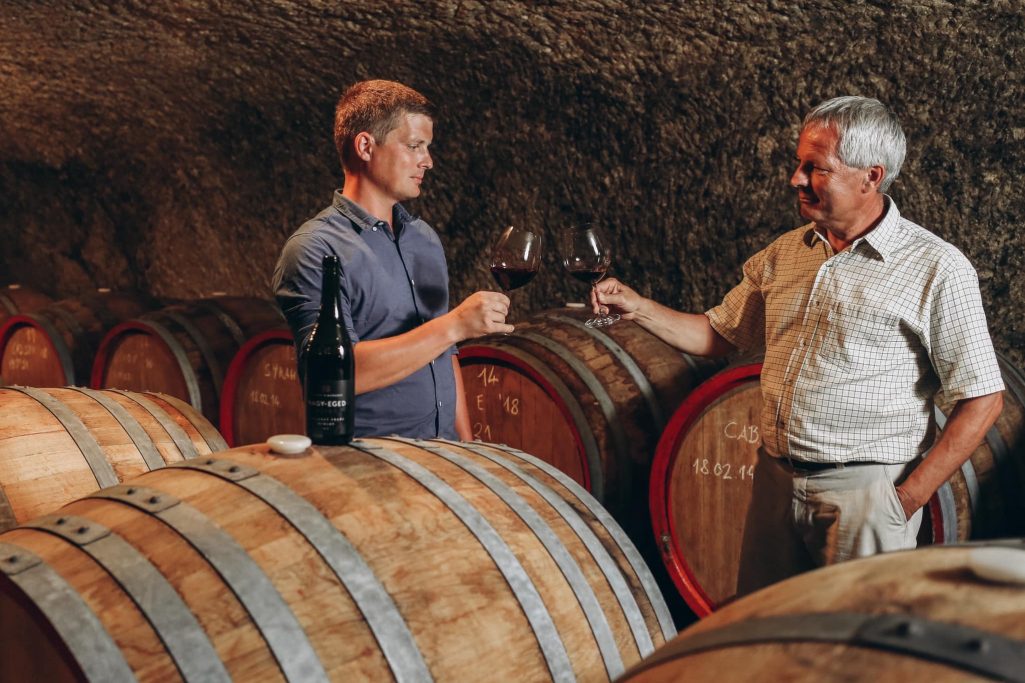
Péter Stumpf: Winemaking has been part of both sides of my family for generations. My father’s family comes from Hercegkút in the Tokaj region, while my mother’s family has roots in Eger. After my parents settled in Eger, my father, Dr János Stumpf, began working with vineyards and wine in 1991 alongside his career as an ambulance doctor.
He initially rented vineyards in different parts of the region and gradually developed his knowledge of grape growing and winemaking through experience and independent study. In 2004, he secured a vineyard in Nagy-Eged, one of Eger’s most prestigious growing sites. That marked an important milestone in the development of the estate.
For many years, the wines were sold under different labels, including a collaborative Kékfrankos project created with John Szabo, Canada's first Master Sommelier. In 2018, I decided to dedicate my professional future to viticulture and winemaking, and Stumpf Winery took shape as the family business we know today. I now oversee much of the day-to-day work, while my father remains an invaluable source of experience and support.
From Engineering to Winemaking
MOVIN Agency: Your own professional background is quite different from the traditional image of a winemaker. How did you find your way into wine?
Péter Stumpf: I originally studied energy engineering, as well as agricultural engineering with a specialisation in rural development. Over time, however, I realised that viticulture and winemaking were what truly interested me.
After university, I pursued this interest more deliberately and completed a one-year wine management programme in Krems, Austria, where I received my Weinmanager qualification. It gave me a more structured understanding of the industry and helped me build on the practical knowledge I had gained through working alongside my father.
For me, joining the family winery was not simply about continuing a tradition. It was an opportunity to develop something of our own while preserving the values that had guided my father's work from the beginning.
The Unique Terroir of Nagy-Eged Hill
MOVIN Agency: Nagy-Eged Hill plays a central role in your portfolio. What makes this vineyard site so special?
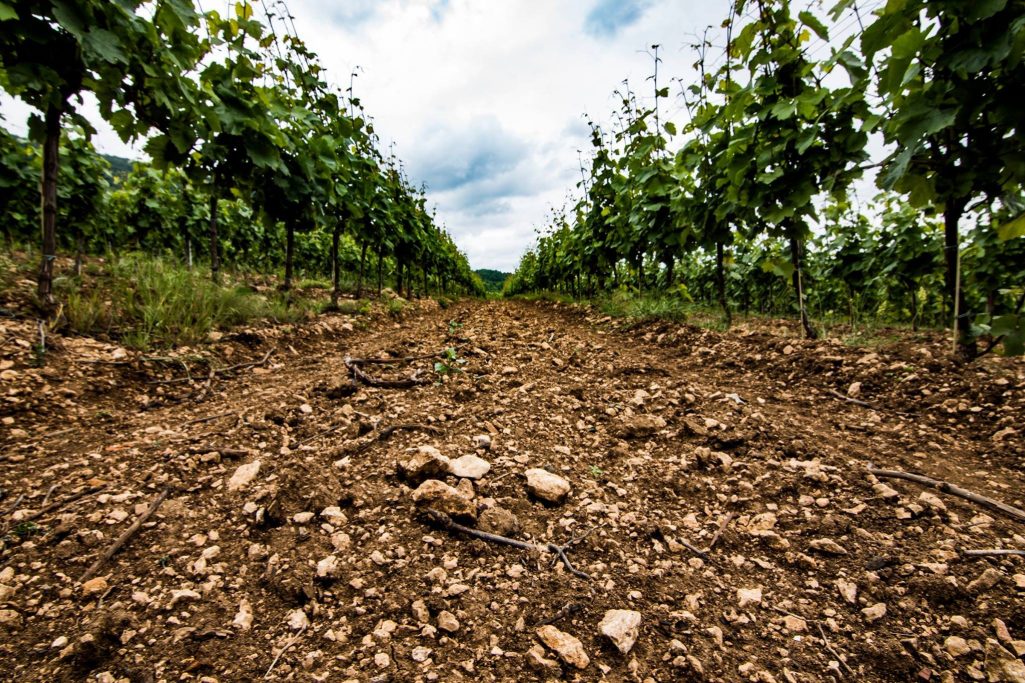
Péter Stumpf: Nagy-Eged is a truly exceptional place to grow grapes. Eger is known for its complex geological landscape, where volcanic formations and limestone-rich soils create different conditions for viticulture. Nagy-Eged Hill stands out because of its limestone soils, elevation and steep, south-facing slopes.
The growing conditions are demanding. At higher altitudes, vines often produce smaller berries with a higher skin-to-pulp ratio. This can contribute to greater concentration, structure and tannin in the resulting wines, provided the grapes reach the right level of maturity.
The limestone-rich soils of Nagy-Eged tend to produce wines with depth, texture and a distinctive mineral character. Today, all our bottled wines come exclusively from our vineyards on Nagy-Eged Hill, a site that continues to define the identity and style of our wines.
We work with both Hungarian and international varieties, always paying close attention to site selection and the suitability of individual clones. Our aim is to let each vineyard express its own character rather than impose a uniform style on every wine.
Viticulture, Sustainability and Vineyard Management
MOVIN Agency: How do you translate these differences in terroir into your approach to viticulture?
Péter Stumpf: Quality begins in the vineyard. Particular attention is paid to vine balance, crop levels and harvest timing. We regularly carry out green harvesting and reduce yields where necessary to achieve the concentration and maturity we are looking for.
Long-term vineyard management is equally important to us. Over decades, our family has experimented with grape varieties and clones, learning how individual vines respond to local conditions.
We are committed to more environmentally conscious viticulture. Herbicides are no longer used anywhere in our vineyards. However, the spread of Flavescence dorée (grapevine yellows) has led us to suspend our transition to organic viticulture for an indefinite period. At present, conventional plant protection products are used to protect the health of our vines and manage this serious threat.
For us, responsible viticulture means adapting our practices to the challenges we face. We continue to seek ways to work with the land in a thoughtful and sustainable manner.
Egri Bikavér: The Iconic Wine of Eger
MOVIN Agency: Eger is internationally associated with Egri Bikavér, or Bull's Blood. What does this wine mean to you, and how do you approach it at Stumpf Winery?
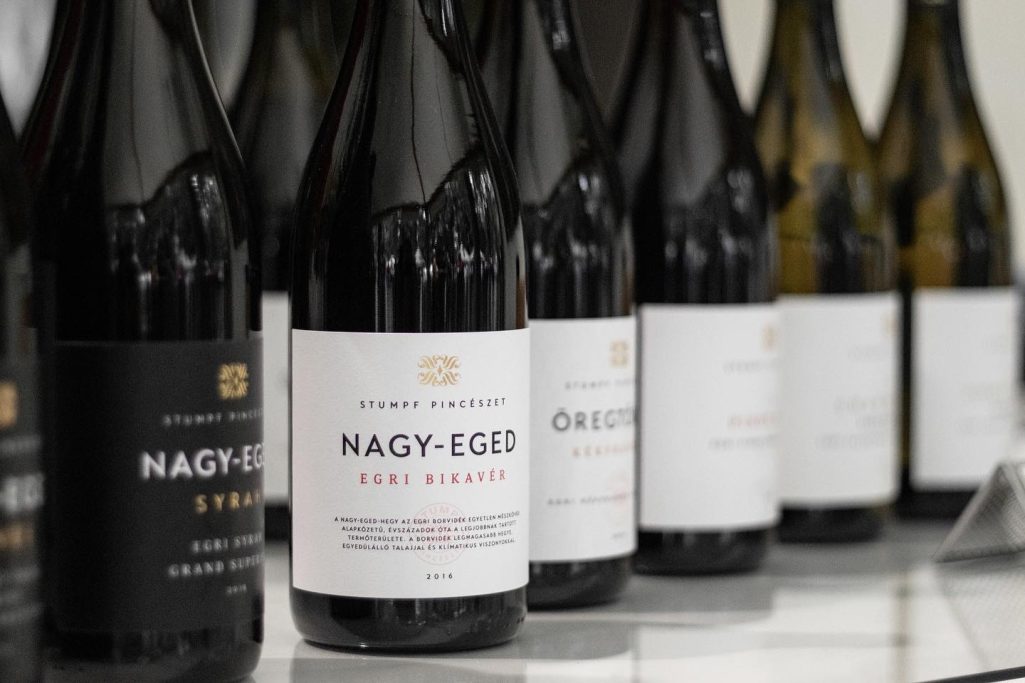
Péter Stumpf: Egri Bikavér is one of the defining wines of our region. It represents Eger's history, its grape-growing traditions and the ability to create a distinctive wine from a blend of varieties.
The name is closely associated with the famous 1552 siege of Eger. According to legend, the defenders' strength was attributed to wine that had stained their beards and armour, leading their opponents to believe it contained bull's blood. The story has become part of the region's identity, although the modern wine is defined by its blend, its origin and the quality of its production.
Kékfrankos plays a central role in Egri Bikavér, contributing freshness, structure and vibrant fruit. Other varieties add complexity, depth and different aromatic dimensions. The challenge is to achieve balance: the individual grapes must work together to create a wine that is more expressive than any single component could be on its own.
At Stumpf Winery, we want our Bikavér to reflect both the character of Eger and the distinctive qualities of our vineyards. We believe that great regional wines should have a clear identity, but they should also offer elegance, complexity and the ability to develop with age.
Kékfrankos and Its Central European Heritage
MOVIN Agency: Kékfrankos is also an important grape in your portfolio. What makes this variety particularly interesting to you?
Péter Stumpf: Kékfrankos is incredibly versatile and has a strong connection to Central European wine culture. In Eger, it can produce wines with fresh acidity, expressive red fruit and a distinctive structure.
It is also a variety that responds clearly to its growing environment. The same grape can produce very different wines depending on the soil, altitude, vineyard management and winemaking decisions.
Our Kékfrankos from Nagy-Eged is particularly important to us. Some of our vines are several decades old, and we believe that the combination of old vines, limestone-rich soils and careful vineyard work gives the wines a distinctive depth and character.
We also have a special connection to the variety through our collaboration with John Szabo. Our joint Kékfrankos project helped introduce the wines to international markets, including the United States, Canada, Taiwan and Finland. It was an important step in our family's development as a wine producer.
A Minimal-Intervention Winemaking Philosophy
MOVIN Agency: Your wines are known for their purity and restrained use of oak. Could you tell us more about your winemaking philosophy?
Péter Stumpf: Our approach is based on careful work in the vineyard and as little unnecessary intervention as possible in the cellar. We believe that the quality of the grapes should be the foundation of every wine.
We hand-harvest our grapes and pay close attention to the condition of the fruit when it arrives at the winery. Fermentation and maceration are managed with the aim of preserving the character of each variety and vineyard. We generally allow around three weeks for maceration in our red wines, depending on the wine and the vintage.
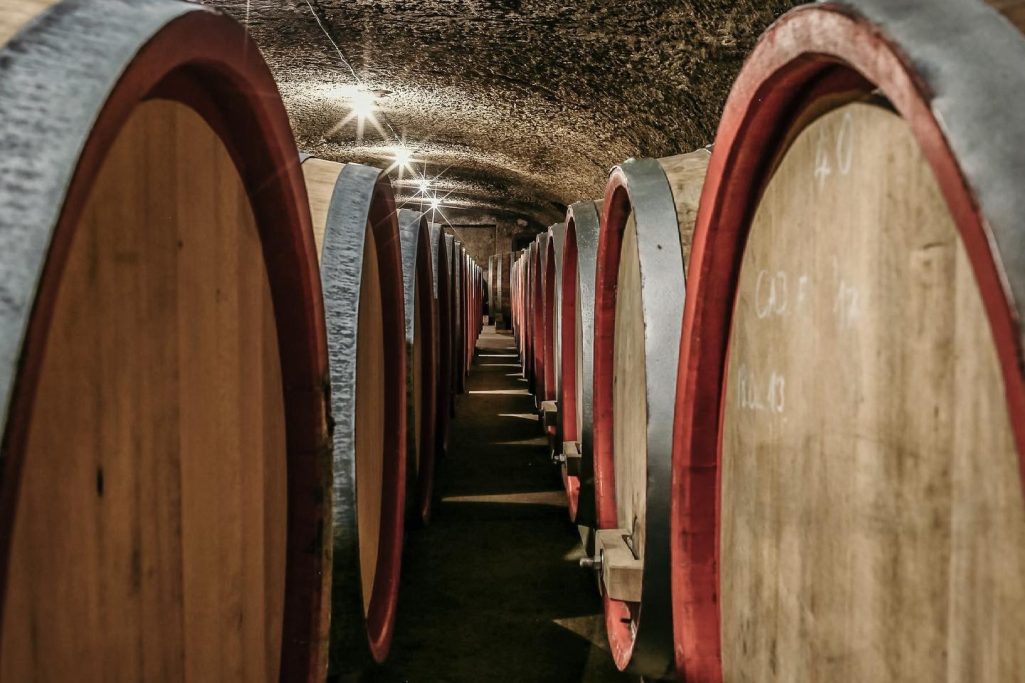
Oak ageing is an important tool, but it should never dominate the wine. We primarily use 500-litre barrels made from Hungarian oak and acacia, sourced from a nearby cooperage. These larger formats allow the wines to mature gradually while helping us maintain a balance between fruit, acidity, tannin and texture.
Our Kékfrankos typically spends at least 18 months in barrel. We bottle our wines without fining or filtration, and we add only a small amount of sulphur dioxide at bottling to help protect them.
Bottle ageing is another important part of our process. We prefer to give the wines time to settle and develop before releasing them. Our goal is not to make wines that are immediately impressive through heavy extraction or excessive oak, but wines that reveal more of their character as you spend time with them.
The Character of Stumpf Wines
MOVIN Agency: What do you hope people will discover when they taste a Stumpf wine?
Péter Stumpf: Above all, I hope they discover the place behind the wine. We want our wines to be clean, expressive and recognisable, with a balance of fruit, structure, complexity and length.
We also want them to reflect the character of the grape variety. Whether it is Kékfrankos, Kadarka or an international variety, we want the wine to have its own identity while remaining connected to Eger.
For us, elegance is just as important as concentration. The oak should support the wine rather than overwhelm it, and the structure should give the wine the potential to develop over time.
The Future of Stumpf Winery
MOVIN Agency: What are your priorities for the coming years, and what can wine lovers look forward to from Stumpf Winery?
Péter Stumpf: Our main priority is to maintain and improve quality. We want to continue learning from our vineyard on Nagy-Eged Hill and further develop our wines from this exceptional site, where we believe there is still great potential.
We work with a diverse range of grape varieties. However, we remain selective about future plantings and do not want to expand simply to produce more wine.
Every new planting must have a clear purpose. It should also bring something meaningful to our portfolio.
Kadarka is an exciting example. We planted it in 2020, and we are interested in seeing how it develops in our vineyards over time. It is a traditional Hungarian variety with plenty of character, and we believe it deserves greater attention.
We are also looking forward to introducing our first Egri Csillag this autumn. Egri Csillag is an important white-wine style from Eger, and we are excited to bring our own interpretation to the market.
Ultimately, we want to keep developing as a family winery while remaining faithful to the principles that brought us here: healthy vineyards, thoughtful winemaking and wines that express their origin.
Discovering the Wines of Eger
MOVIN Agency: If you could share one message with international importers and wine professionals discovering Eger for the first time, what would it be?
Péter Stumpf: Eger is a region with a fascinating history, a diverse range of soils and enormous potential. There is much more to discover here than people might initially expect, from fresh and elegant white wines to structured reds and complex blends such as Egri Bikavér.
We believe that the best way to understand our region is to taste its wines and explore the differences between its vineyards. At Stumpf Winery, we are proud to be part of this tradition, and we look forward to sharing more of Eger with wine lovers around the world.
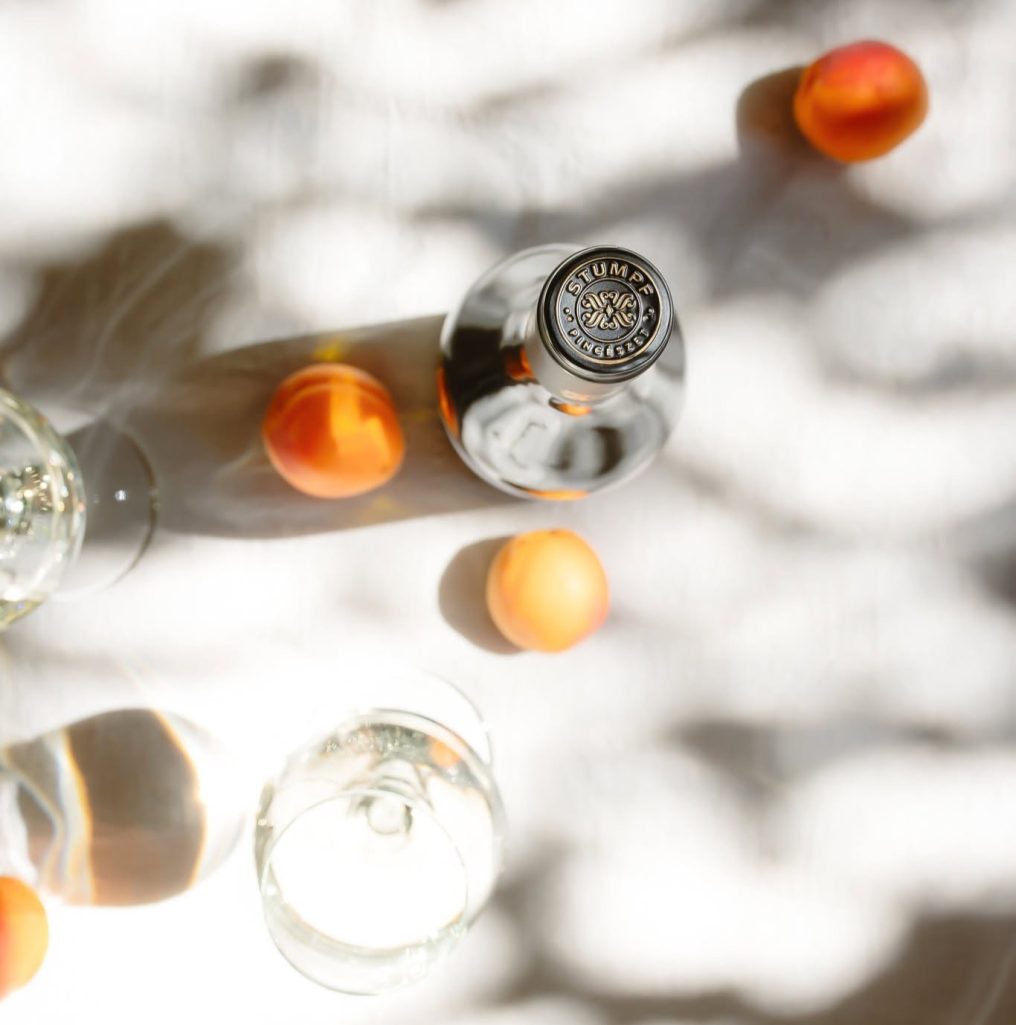
Don't forget to check out the products from Stumpf Winery.
#MOVINAgency #MeetTheWinemaker #HungarianWine #EgerWineRegion #EgriBikavér #Kékfrankos #WineTrade #WineImporters #CentralEuropeanWine